

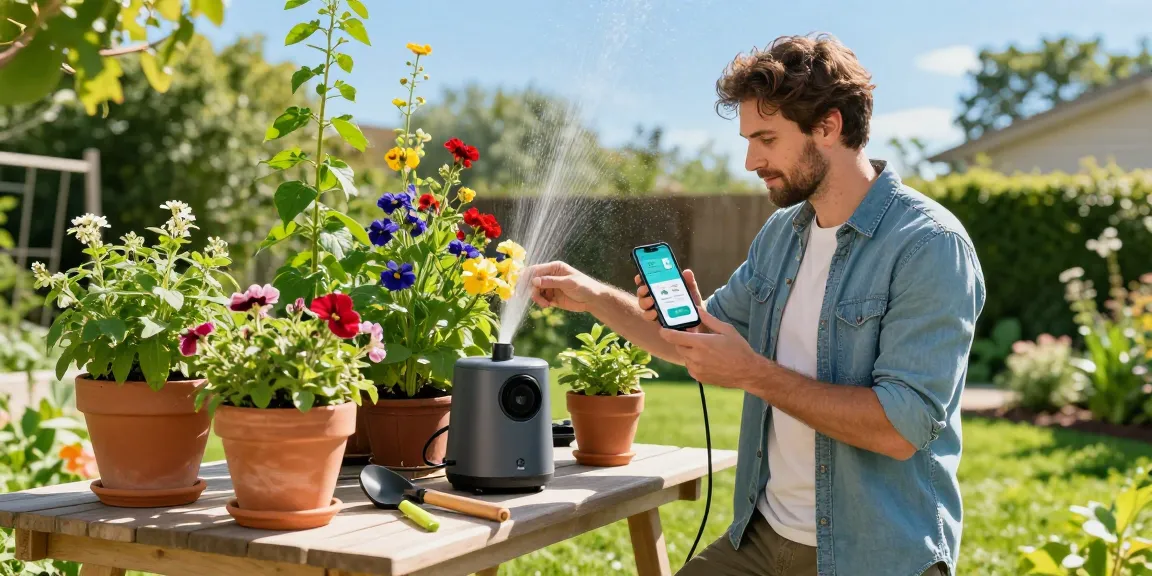
Understanding Smart Sprinkler Technology
As water scarcity becomes increasingly pressing, homeowners and gardeners are turning to innovative solutions to enhance their gardening practices. Smart sprinkler technology stands at the forefront of this evolution, offering a sophisticated approach to irrigation that conserves water while promoting healthy plant growth. These systems not only help reduce water consumption but also simplify the gardening process, making them essential tools for modern gardening.
When exploring options, smart sprinkler systems provide comprehensive insights into efficient watering practices. This technology includes features such as programmable schedules, moisture sensors, and smartphone integration, which allow users to monitor and control their irrigation from anywhere.
What is a Smart Sprinkler?
A smart sprinkler is an advanced irrigation system that uses technology to automate the watering of plants and lawns. Unlike traditional timers, smart sprinklers connect to Wi-Fi and often integrate with mobile applications, allowing users to customize schedules and monitor conditions remotely. They utilize real-time data to adjust watering schedules based on environmental conditions such as rainfall, temperature, and soil moisture.
How Smart Sprinklers Work and Their Benefits
Smart sprinklers operate by employing a combination of sensors and algorithms to provide precise irrigation. These systems can analyze factors such as plant type, soil type, and weather forecasts to determine the optimal amount of water needed. The benefits include:
- Water Conservation: Smart sprinklers significantly reduce water waste by ensuring that irrigation only occurs when necessary.
- Healthier Plants: By delivering the right amount of water at the right time, these systems promote healthier plant growth.
- Convenience: Users can manage their watering schedules easily via mobile apps, freeing them from the manual effort of adjusting timers regularly.
- Cost Savings: Over time, the reduced water consumption leads to lower utility bills, making smart sprinklers a financially sound investment.
Key Features to Consider When Choosing a Smart Sprinkler
When selecting a smart sprinkler system, key features to consider include:
- Connectivity: Systems that connect via Wi-Fi or Bluetooth allow for remote control and monitoring via smartphones.
- Weather Adjustments: Some models can integrate with local weather stations to adjust watering schedules based on impending rain or temperature changes.
- Soil Moisture Sensors: Sensors that measure moisture levels help prevent overwatering, ensuring plants receive adequate hydration without waste.
- Ease of Installation: Look for systems that offer straightforward installation processes and user-friendly setup.
The Environmental Impact of Smart Sprinklers
In an era where sustainability is vital, the environmental impact of smart sprinklers cannot be overstated. These systems play a crucial role in conserving one of our most precious resources—water. By optimizing irrigation practices, smart sprinklers contribute to greater ecological balance and sustainability in gardening.
Water Conservation Techniques with Smart Sprinklers
Smart sprinklers utilize various techniques to conserve water effectively:
- Automated Scheduling: Users can program their sprinklers to water at optimal times, typically early morning or late evening, to minimize evaporation.
- Moisture Sensors: These sensors detect the current moisture levels in the soil, ensuring that watering only occurs when necessary.
- Adaptive Watering: Many smart sprinklers can adjust watering based on seasonal changes and local weather conditions.
Reducing Water Waste in Lawn and Garden Maintenance
Traditional irrigation methods often result in significant water waste due to overwatering and inefficient delivery systems. Smart sprinklers address these inefficiencies through targeted watering techniques, ultimately reducing the water footprint of gardens and lawns. For instance, installations that utilize drip irrigation systems can deliver water directly to plant roots, minimizing evaporation and runoff.
Case Studies: Successful Implementations of Smart Sprinklers
Several case studies showcase the effectiveness of smart sprinklers in various settings:
- Residential Gardens: A homeowner with a large property reported a 30% reduction in water usage after installing a smart sprinkler system that incorporated soil moisture sensors and weather-based adjustments.
- Commercial Landscapes: A municipal park adopted smart irrigation systems, resulting in enhanced plant health and a significant decrease in water expenditures.
- Agricultural Use: Farmers have implemented smart sprinkler technology to optimize irrigation, leading to better crop yields while minimizing water use.
Installation and Setup of Smart Sprinkler Systems
Installing a smart sprinkler system can seem daunting, but with the right approach, it can be achieved with relative ease. Below is a step-by-step guide to set up your system efficiently.
Step-by-Step Guide to Installing Your Smart Sprinkler
- Assess Your Yard: Determine the areas that require irrigation and consider factors such as sun exposure and soil type.
- Choose the Right System: Select a smart sprinkler model that fits your yard’s needs, considering features like watering zones and sensor integration.
- Gather Tools: Ensure you have all necessary tools, such as a shovel, hose connectors, and a smartphone for app installation.
- Install the System: Follow the manufacturer’s guidelines for installing the sprinkler heads, connecting hoses, and setting up the control unit.
- Connect to Wi-Fi: Set up the system’s connectivity through the appropriate app, ensuring your device is within range of the Wi-Fi signal.
Common Installation Challenges and Solutions
New installations may encounter several common challenges:
- Connectivity Issues: Ensure correct Wi-Fi settings, and consider a Wi-Fi extender if coverage is an issue.
- Uneven Water Distribution: Adjust sprinkler heads and positions to ensure all areas receive adequate coverage.
- Sensor Placement: Position sensors away from shaded areas to avoid inaccurate moisture readings.
Integrating Smart Sprinklers with Home Automation Systems
Many smart sprinklers can seamlessly integrate with existing home automation systems, enhancing their functionality. This includes syncing with other smart home devices such as weather stations, allowing for a more dynamic irrigation approach. Integration can improve overall household efficiency and provide users with a centralized control hub for managing their home’s systems.
Maximizing Efficiency with Smart Sprinklers
To fully leverage the capabilities of smart sprinklers, users must adopt strategic approaches to maximize their efficiency and effectiveness.
Scheduling Watering Cycles for Optimal Plant Growth
Creating specific watering schedules that align with plant needs is essential. For instance, programming the system to water early in the morning or late in the evening reduces evaporation rates and ensures that plants receive moisture when they can absorb it most effectively.
Using Soil Moisture Sensors for Precision Watering
Implementing soil moisture sensors can greatly enhance watering precision. These sensors detect when soil moisture drops below optimal levels and trigger watering, preventing both over and under-watering.
Adjusting Settings for Seasonal Changes
Adjusting sprinkler settings according to seasonal weather changes is crucial. In the dry summer months, increasing watering frequency may be necessary, while during periods of rain, reducing or halting irrigation can save water and improve sustainability.
Future Trends in Smart Sprinkler Technology
The future of smart sprinkler technology is poised for remarkable advancements, further shaping the way we manage irrigation.
Innovations in Smart Sprinkler Design and Functionality for 2026
Upcoming innovations may include more intuitive user interfaces, enhanced AI capabilities for predictive watering, and improved sensor technology that can provide deeper insights into soil health.
Predictions for Smart Sprinkler Industry Growth
The demand for smart irrigation solutions is expected to surge as more gardeners and landscapers recognize the economic and environmental benefits. Market analysts predict significant growth driven by increased consumer awareness and advancements in technology.
Emerging Technologies and Their Impact on Gardening
Advancements such as machine learning and IoT integration will likely allow for smarter systems that adapt dynamically to changing environmental conditions. This adaptability will lead to more efficient water use and healthier gardens.
How Can Smart Sprinklers Improve Sustainability?
By providing precise water management, smart sprinklers promote sustainable gardening practices that help conserve water and protect local ecosystems. Their ability to minimize runoff and overwatering will be essential in maintaining biodiversity in urban landscapes.
What are the Cost Benefits of Using Smart Sprinklers?
While the initial investment in smart sprinkler technology may be higher than traditional systems, the long-term savings on water bills and maintenance make them cost-effective solutions. Homeowners can expect a return on investment as they experience decreased water consumption and healthier plants.
Can Smart Sprinklers Work with Existing Irrigation Systems?
Yes, many smart sprinklers can be integrated with existing irrigation systems. This feature allows users to upgrade their watering practices without a complete overhaul, enhancing efficiency while utilizing familiar setups.
What Should I Look for When Choosing a Smart Sprinkler Brand?
When selecting a brand, consider aspects such as product warranty, customer support, ease of use, and compatibility with existing systems. Established brands with positive user reviews often provide reliable performance.
How to Troubleshoot Common Issues with Smart Sprinklers?
Common troubleshooting steps include checking connectivity, ensuring sensors are properly placed, and confirming that irrigation schedules are set correctly. Many brands offer customer support resources to assist with common problems.
What Are the Advantages of Smart Sprinklers Over Conventional Systems?
Smart sprinklers offer various advantages over conventional systems, including real-time data monitoring, automation, and adaptive irrigation that reacts to environmental conditions. These features lead to healthier plants and reduced water waste.