

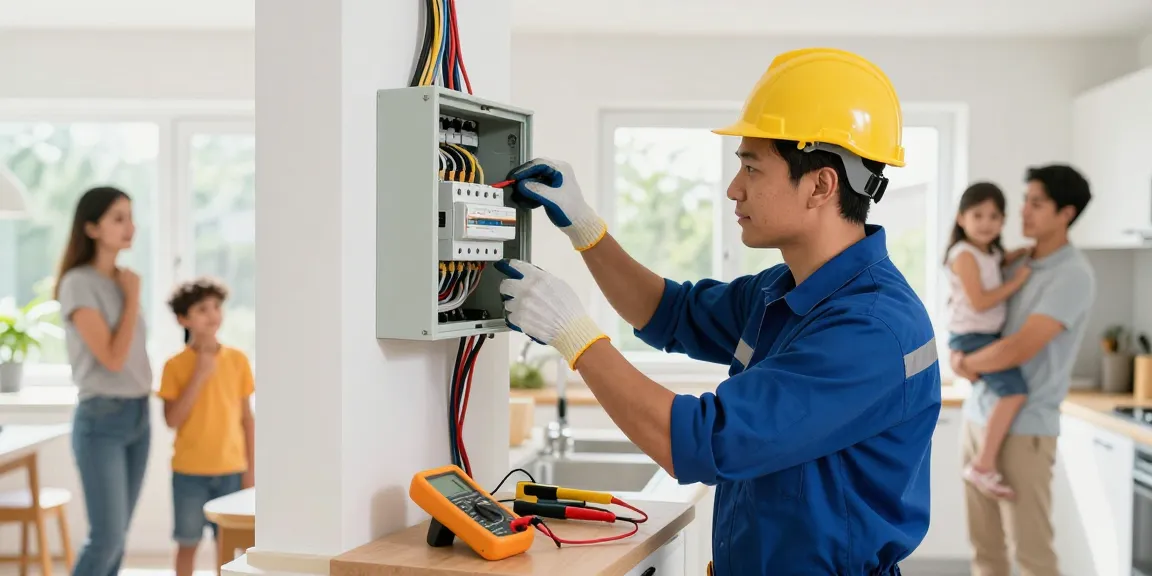
The Importance of Immediate Electrical Assistance
Electrical issues can arise unexpectedly, posing significant risks to both your safety and your property. When faced with an electrical emergency, swift action can prevent minor inconveniences from escalating into major disasters. Understanding the pivotal role of immediate electrical assistance ensures you are prepared and aware of the resources available to you. When exploring options, this page provides comprehensive insights into choosing the right professionals for your needs.
Why Quick Response Matters in Electrical Emergencies
In electrical emergencies, time is of the essence. The longer you wait, the greater the potential for damage. A rapid response can mitigate risks such as fires, electrocution, or appliance damage. Quick action not only addresses the immediate issue but also prevents secondary complications that might arise from delayed repairs.
Common Electrical Faults Requiring Quick Attention
- Tripped Circuit Breakers: Often a sign of an overload, ongoing tripping can indicate a serious fault.
- Flickering Lights: This can suggest poor wiring, old fixtures, or an overloaded circuit.
- Burning Smells: Any unusual odors can be an indication of overheating wiring or insulation.
- Electrical Shocks: Experiencing shocks from outlets or appliances is a clear sign of electrical issues.
How Delays Affect Safety and Costs
Delaying necessary electrical repairs can lead to increased costs and safety hazards. Aside from the obvious financial implications of potential damage, the health risks associated with faulty wiring can be severe. Moreover, waiting too long can lead to more extensive problems that require larger repairs, ultimately costing more.
Identifying Electrical Problems in Your Home
Recognizing the signs of electrical problems is crucial for timely intervention. Being aware of the common indicators can help you feel more secure in your home and empower you to act decisively when issues arise.
Signs You Need an Emergency Electrician
- Frequent power outages or flickering lights.
- Burning smells or signs of scorching around outlets.
- Non-functioning switches or outlets.
- Buzzing sounds from electrical panels or appliances.
Worst Electrical Faults to Ignore
Some electrical faults might seem trivial, but they can escalate quickly. Ignoring issues like overloaded circuits can lead to fires, while neglected frayed wires can pose shock hazards. Being proactive in addressing these issues is key to maintaining both safety and functionality in your home.
Regular Maintenance vs. Emergency Repairs
Understanding the difference between regular maintenance and emergency repairs is essential. Regular maintenance involves routine checks and updates to your electrical system, aiming to prevent emergencies. In contrast, emergency repairs address immediate problems that require urgent attention to restore safety and functionality.
Choosing the Right Emergency Electrician
When it’s time to contact a professional, knowing what to look for in an emergency electrician can help ensure you receive quality service.
Essential Qualities to Look for in an Electrician
- Licensing and Certification: Always verify that your electrician is licensed and up to date with training and certifications.
- Experience: Look for professionals with a solid track record in emergency situations.
- Availability: An emergency electrician should be available 24/7 for urgent situations.
- Transparency: Choose electricians who provide clear quotes and explain their work.
Questions to Ask Before Hiring
Before hiring an electrician, it’s wise to ask critical questions such as:
- What is your response time for emergencies?
- Can you provide references from past clients?
- What warranties or guarantees do you offer on your work?
- Are you insured to cover potential damages?
Checking Credentials and Reviews
Researching potential electricians can save you time and money. Check their website, read reviews online, and verify their credentials through local licensing boards. Customer feedback is invaluable in assessing the reliability and quality of service.
What to Expect During an Emergency Call
When you call for an emergency electrician, knowing what to expect can alleviate stress and ensure the process is as seamless as possible.
Initial Assessment and Diagnosis Steps
Upon arrival, your electrician will conduct a thorough assessment. They will ask about symptoms and occurrences before inspecting your electrical system to diagnose the underlying issue effectively. A detailed diagnosis is crucial to ensuring appropriate and effective repairs.
Common Tools and Techniques Used
Electricians commonly use tools such as multimeters, voltage testers, and thermal cameras to assess electrical issues. These tools help identify faults and potential hazards quickly, allowing for a more efficient repair process.
Post-Repair Safety Measures
Once repairs are completed, electricians will provide safety measures to prevent future issues. This may include advice on appliance use, circuit load management, and signs to watch for in the future to prevent similar emergencies.
Future Trends in Emergency Electrical Services
As technology advances, so do the methods and tools used in electrical services. Keeping up with these trends can ensure you receive the best possible care for your electrical needs.
Technological Advances in Electrical Diagnostics
Developments in diagnostic technology are enabling electricians to pinpoint issues faster than ever before. Advanced tools can provide real-time data and predictive analytics, allowing for more proactive maintenance strategies.
Growing Importance of Eco-Friendly Solutions
With a focus on sustainability, the electrical services industry is seeing a shift toward eco-friendly solutions. Electricians are incorporating energy-efficient practices and materials that not only reduce costs for homeowners but also minimize environmental impact.
Preparing for Smart Home Electrical Needs in 2026
As homes become smarter, the demand for specialized electrical services is increasing. Electricians will need to be adept at integrating smart technologies into existing systems, ensuring compatibility and safety.
What are the most common electrical emergencies?
The most common electrical emergencies include power outages, electrical shocks, and appliance malfunctions, such as outdated wiring causing shorts.
How quickly should an electrician respond to an emergency?
Ideally, an electrician should be able to respond within a couple of hours, especially for critical situations that pose immediate safety risks.
What safety measures should I take before electric work?
Before any electric work, make sure to turn off the power to the affected areas and identify any hazardous materials or conditions that may pose risks during repairs.
How do I know if I need an emergency electrician?
If you experience any unusual signs such as burnt wires, frequent tripping circuits, or sparking outlets, it’s time to call an emergency electrician.
What will an emergency electrician do during a visit?
An emergency electrician will assess the situation, diagnose the problem, and proceed with repairs to restore safety and functionality to your electrical system.